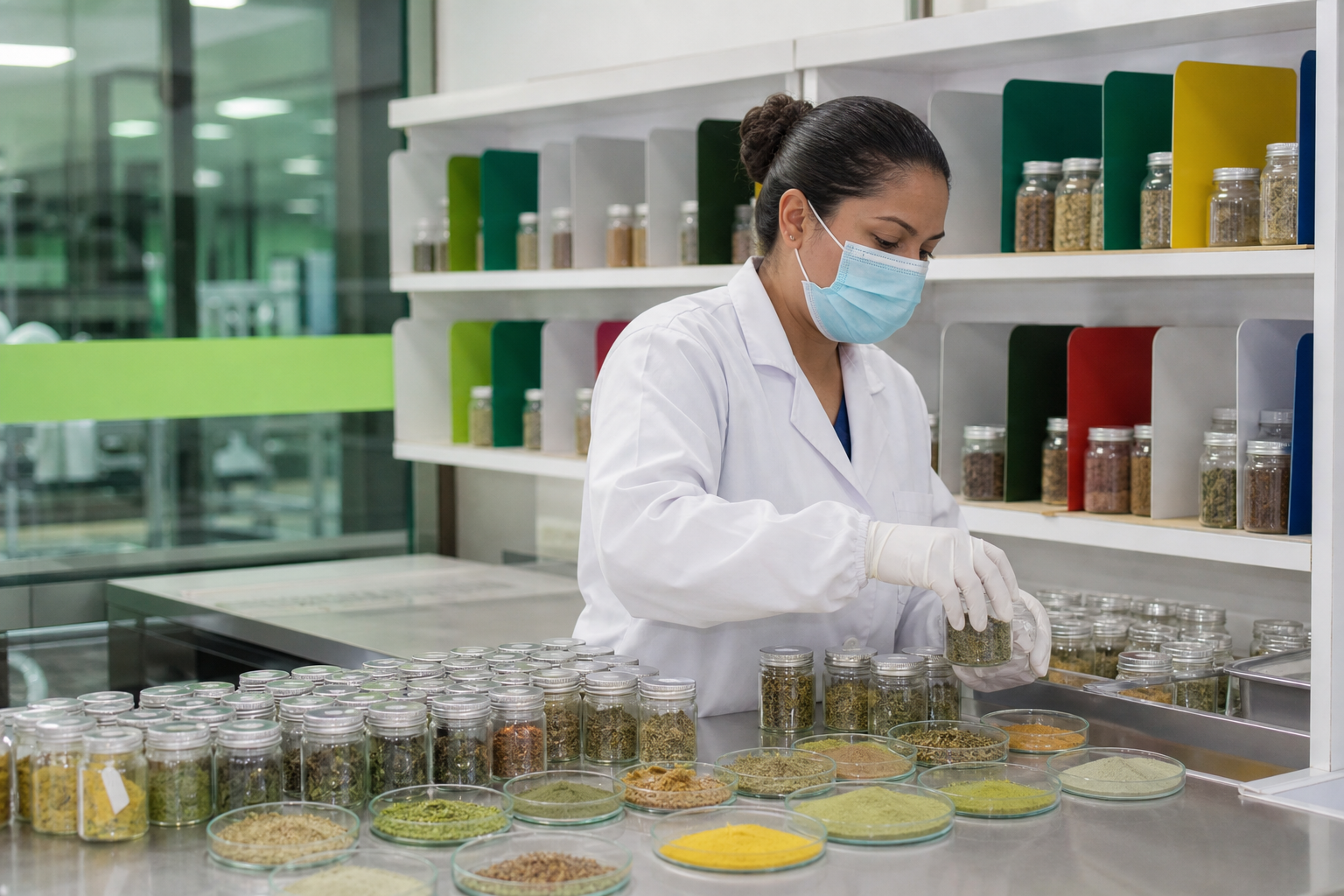
Almacenamiento segregado
Las diferentes categorías de hierbas están separadas o selladas para evitar el impacto cruzado entre olor, humedad y perfil activo.
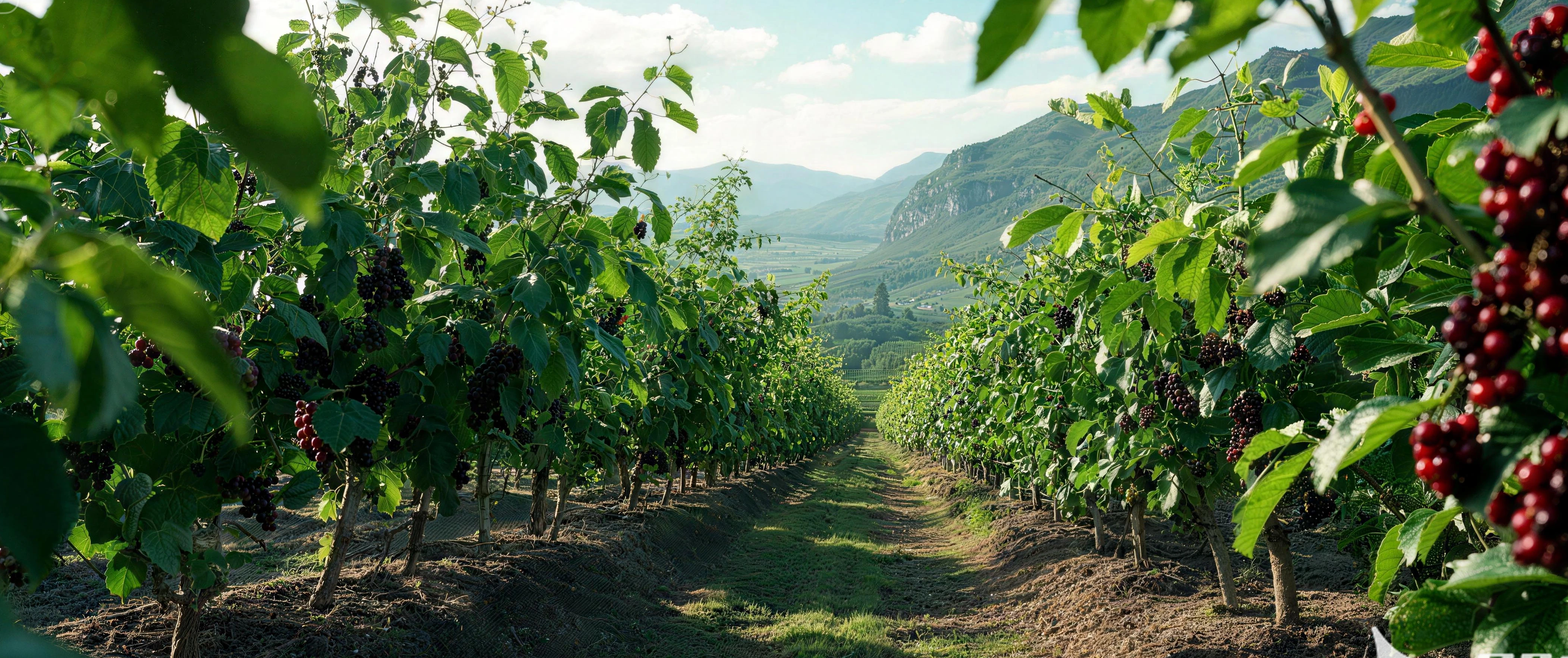
DEXIN GLOBAL · CADENA DE SUMINISTRO
Red de un vistazo
OchoBases de cultivo estandarizadas propiedad de la empresa
Obtenemos extractos y polvos botánicos a través de proveedores auditados y redes nacionales de adquisiciones: especificaciones, registros de origen y documentación de lote para exportaciones a granel repetidas.
Las tarjetas muestran un boceto del diseño, no una lista fija de ocho SKU. Pregunte por los cultivares que no aparecen; los lotes obtenidos externamente usan el mismo control de calidad de entrada y preparación estandarizada. El paisaje es representativo; las variedades rotan según los planes de cultivo mientras se mantiene la trazabilidad del lote.
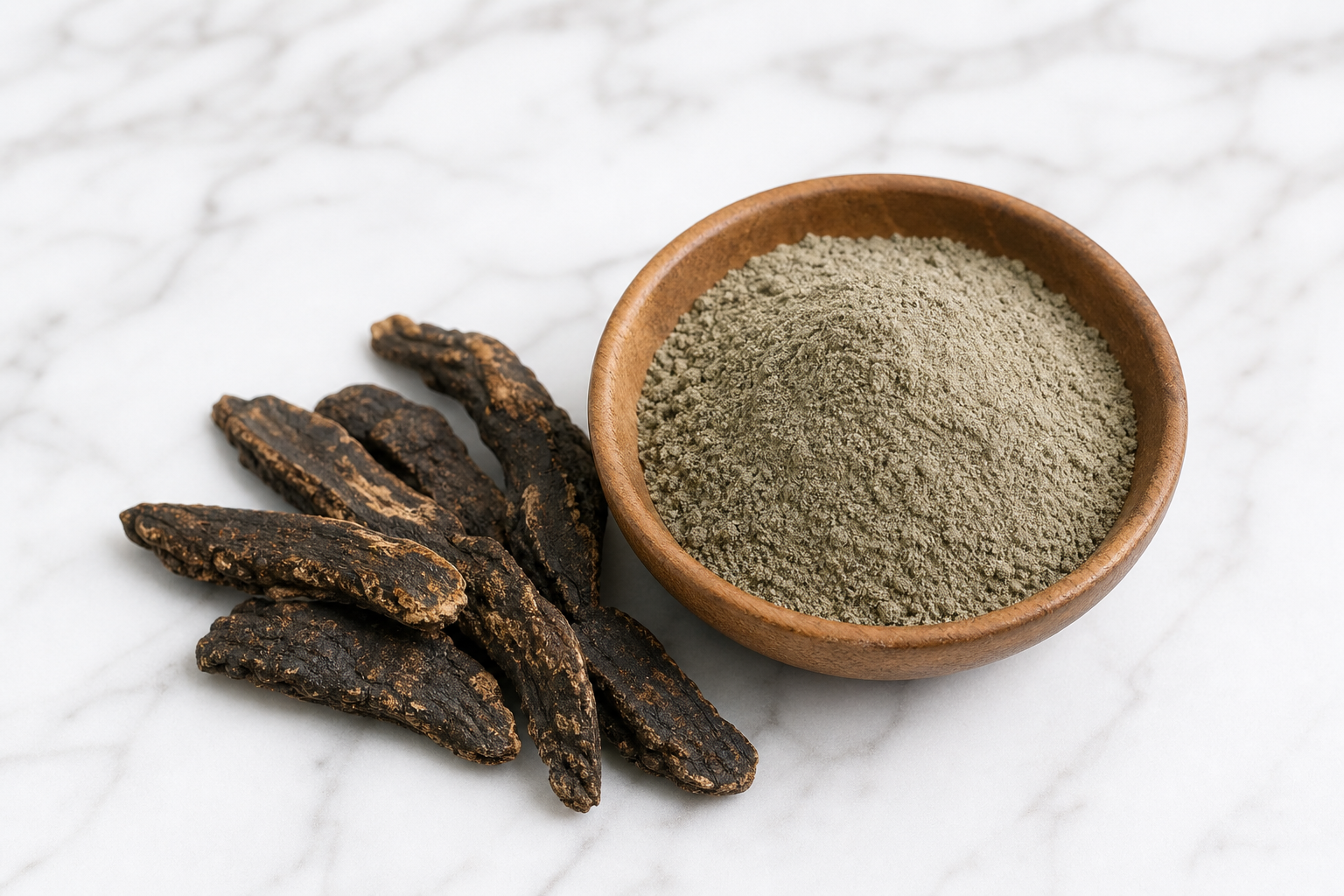
Baoding, Hebei
Corredor principal del norte para el comercio y cultivo de botánicos en corte a granel; fuerte en categorías de raíces y rizomas con un conocimiento denso de control de calidad por parte de los compradores.
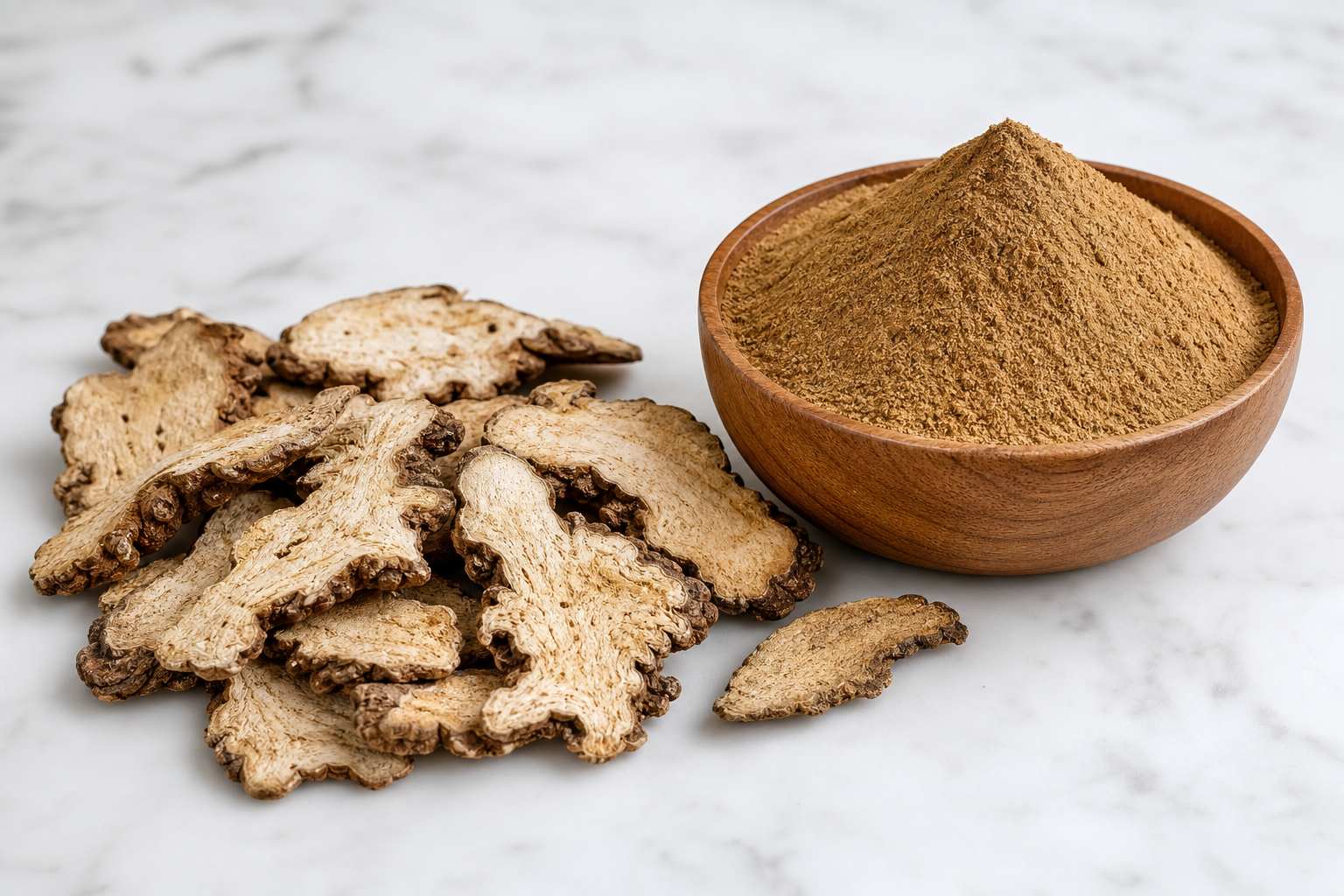
Bozhou, Anhui
El endurecimiento integrado de plántulas y los túneles semicontrolados estabilizan las especies sensibles a la humedad antes de la finalización en campo abierto.
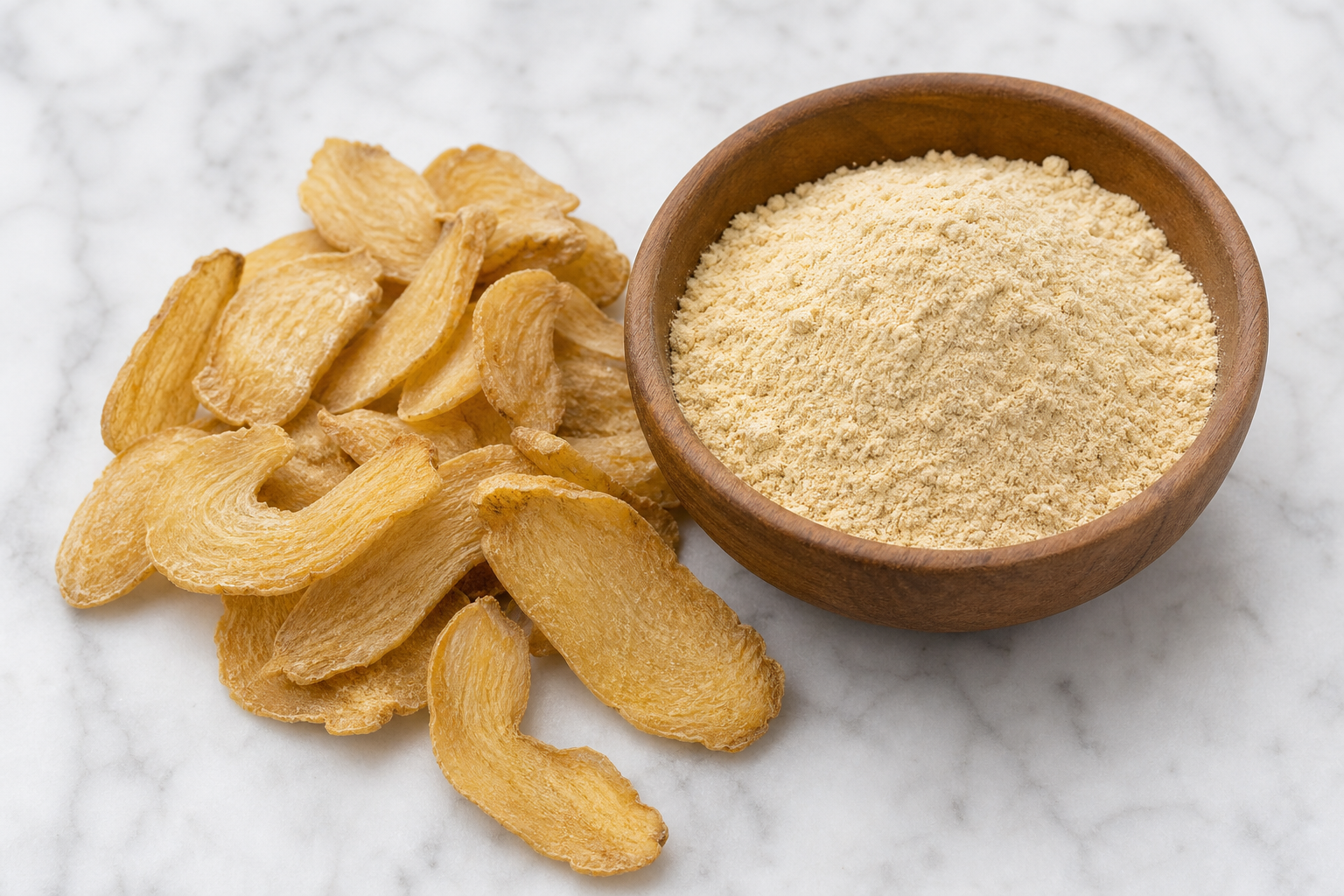
Corredor de Dingxi, Gansu
El clima de meseta fresco y seco prolonga los ciclos de crecimiento de las raíces; se centra en raíces medicinales leguminosas con alta expresión de polisacáridos.
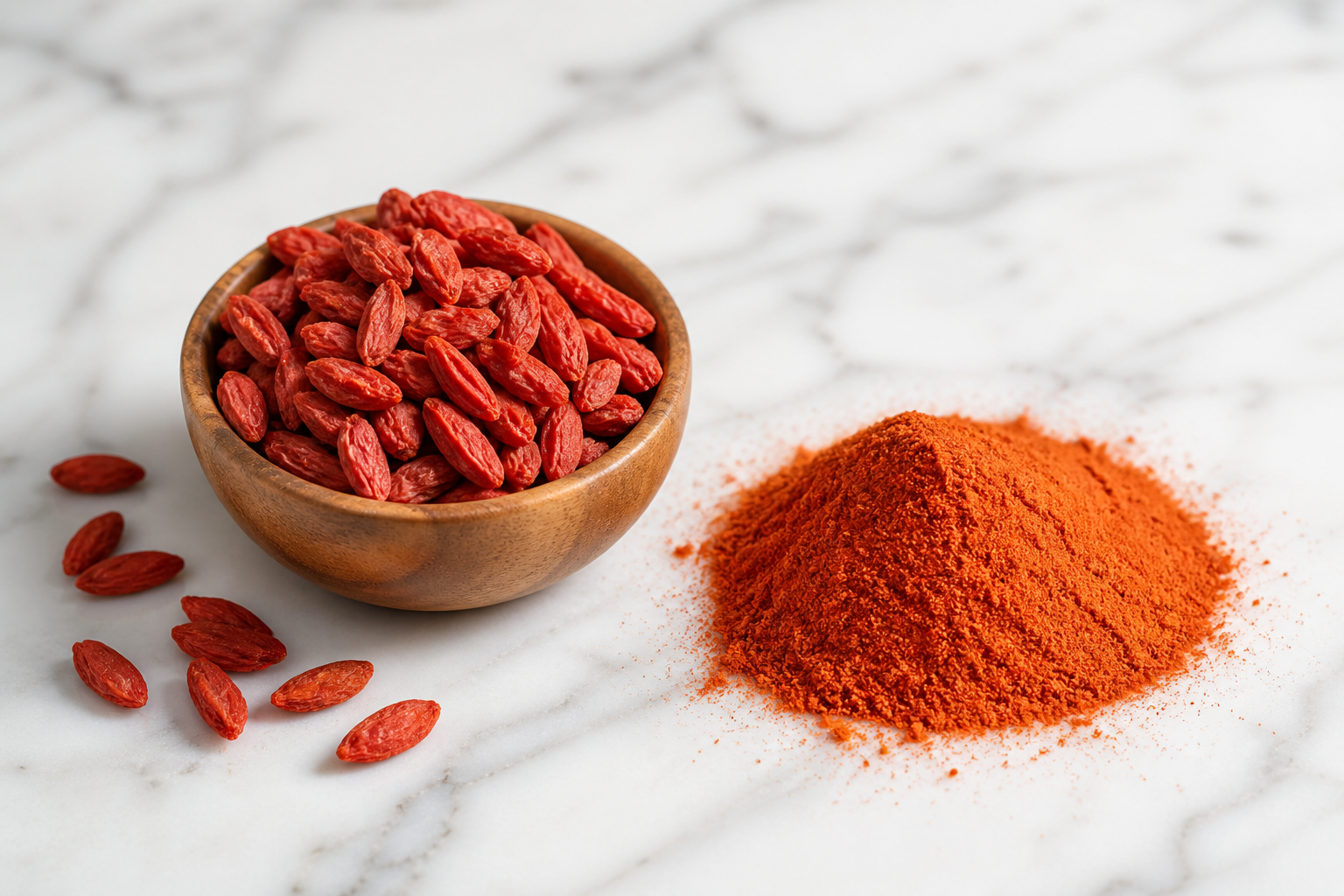
Zhongwei, Ningxia
El riego débilmente alcalino junto con una alta insolación favorece la fructificación de cultivos medicinales con perfiles intensos de pigmento y azúcar.
Wenshan, Yunnan
Las pendientes de suelo rojo con dispersión de niebla imitan las condiciones geoauténticas clásicas para botánicas araliáceas que prefieren sombra.
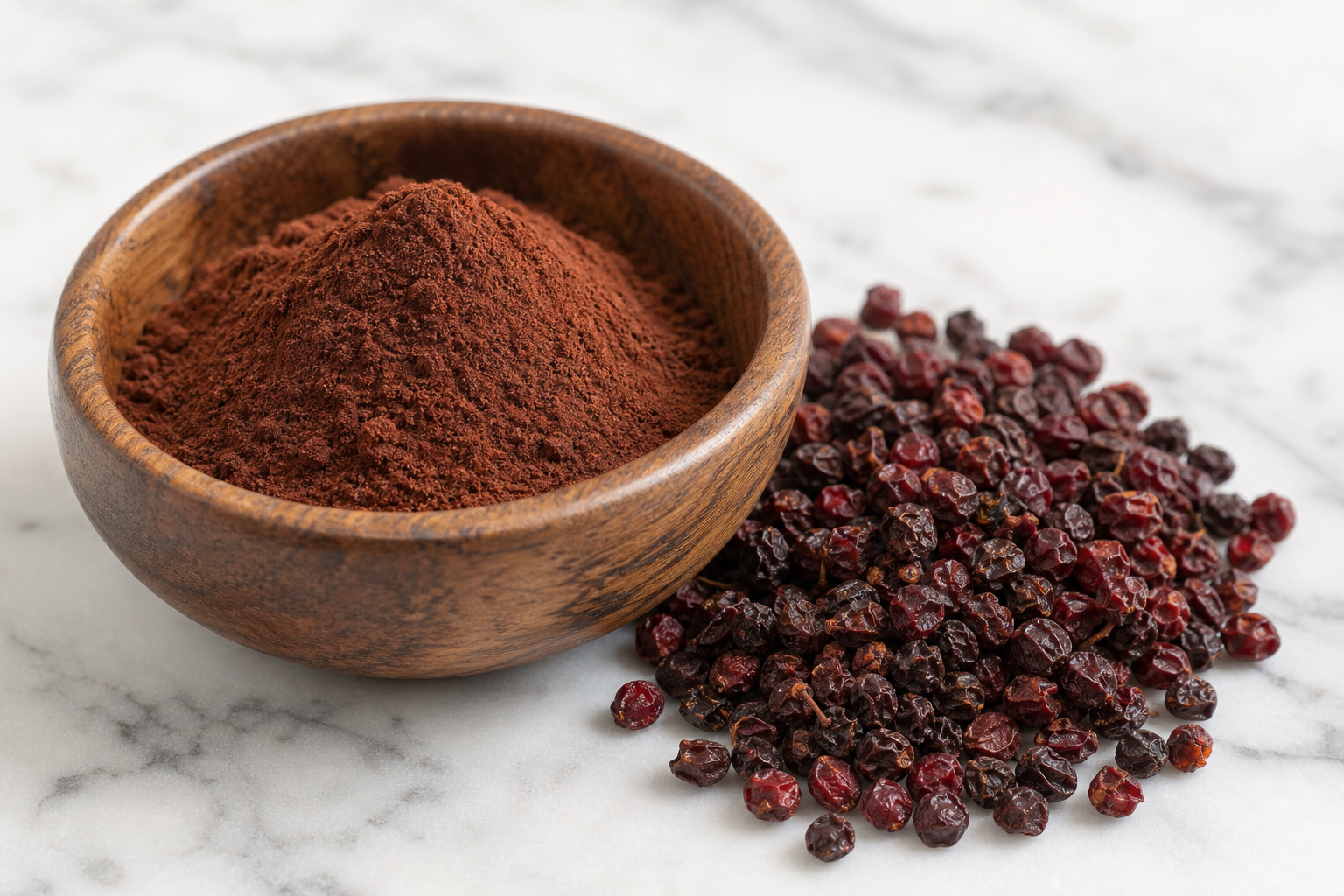
Qinhuangdao, Hebei · Línea de exportación orgánica de la UE
Cultivo orgánico certificado con registros unificados de campo y cosecha en ventana de madurez. La fruta se seca y clasifica para programas de extracto y polvo de schisandra — suministro a largo plazo alineado con la trazabilidad orgánica, TC y requisitos de COA por lote de los compradores de la UE.
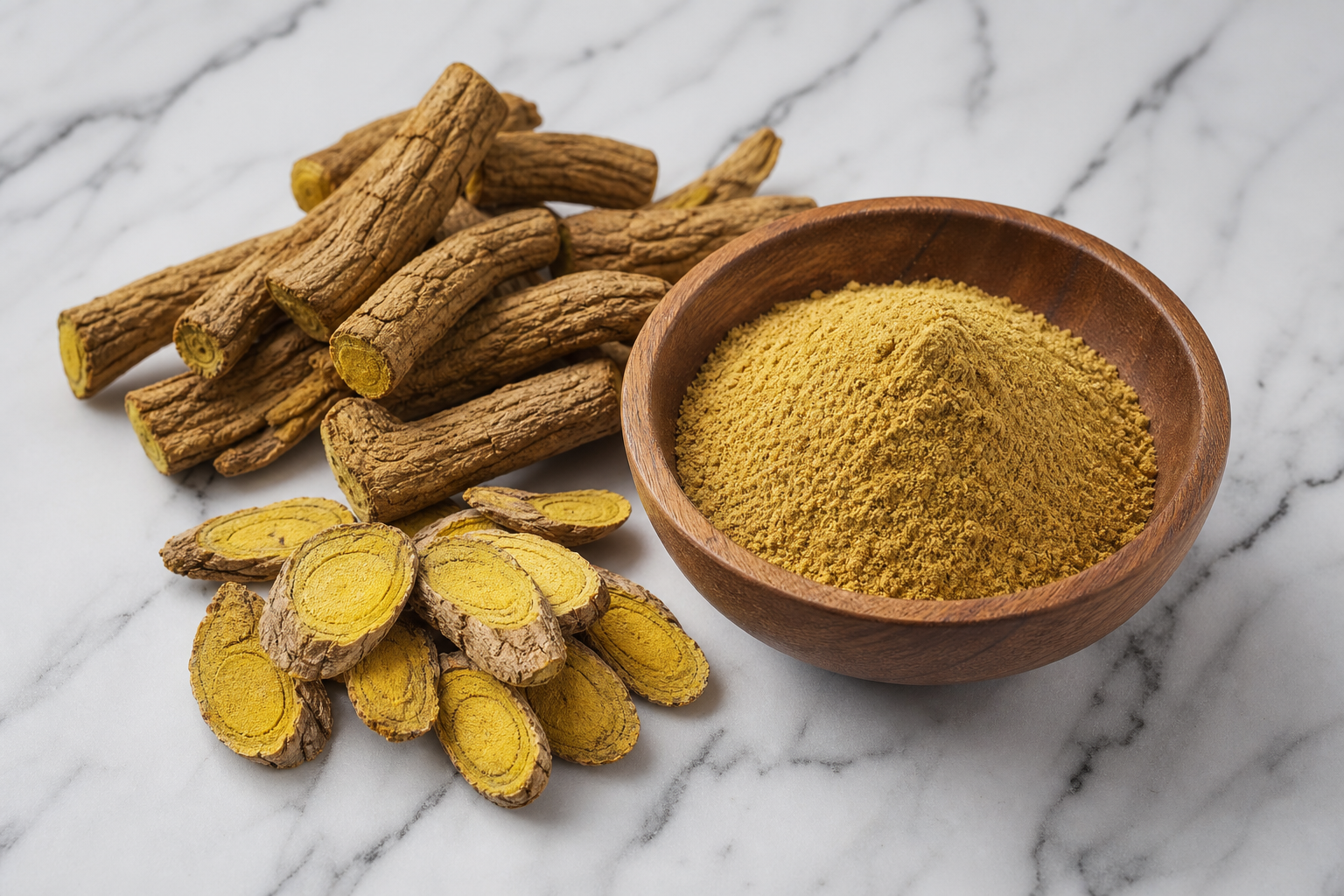
Shangluo, Shaanxi
Las zonas de transición montaña-colina proporcionan un drenaje nítido y claros en el dosel ricos en UV adecuados para especies medicinales de raíces fibrosas.
Pengzhou, Sichuan
La tierra francosa arenosa aluvial proveniente del escurrimiento de la montaña proporciona una estructura del suelo suelta, favorecida por rizomas aromáticos y especies de alto contenido volátil.
Pruebas y liberación de grado farmacéutico
Nuestro laboratorio de control de calidad de grado farmacéutico realiza pruebas de identidad, pureza y microbiología, con liberación de lotes vinculada al certificado de análisis (COA) y a los paquetes de documentación de exportación.
Las diferentes categorías de hierbas están separadas o selladas para evitar el impacto cruzado entre olor, humedad y perfil activo.
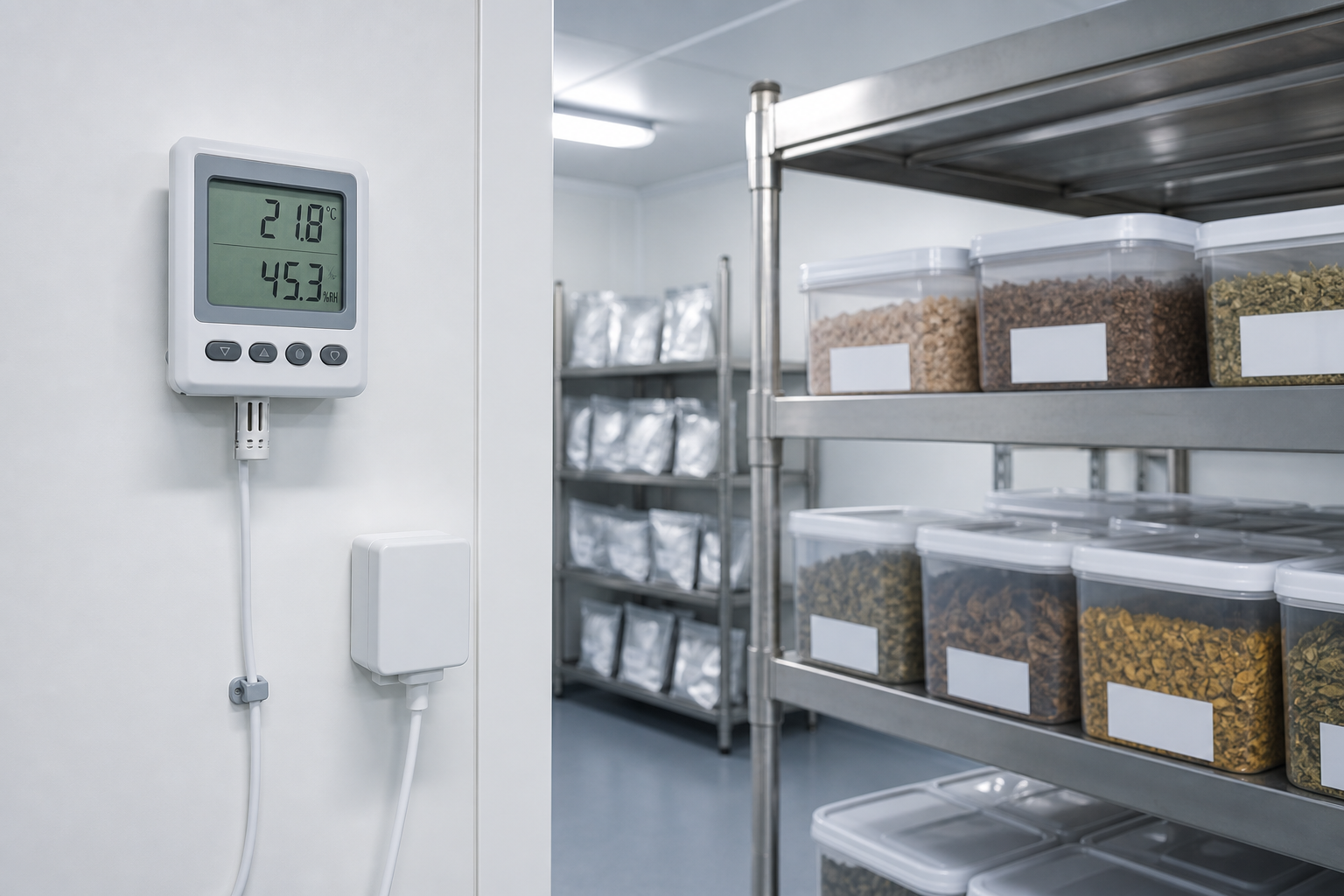
El control estricto de la humedad previene que las hierbas minerales se deterioren y evita la disolución o la absorción de humedad en materiales sensibles.

El diseño de almacenamiento está integrado con las condiciones de instalación y operación para asegurar un rendimiento estable a largo plazo de la cadena de frío.
Dexin GSP Logística
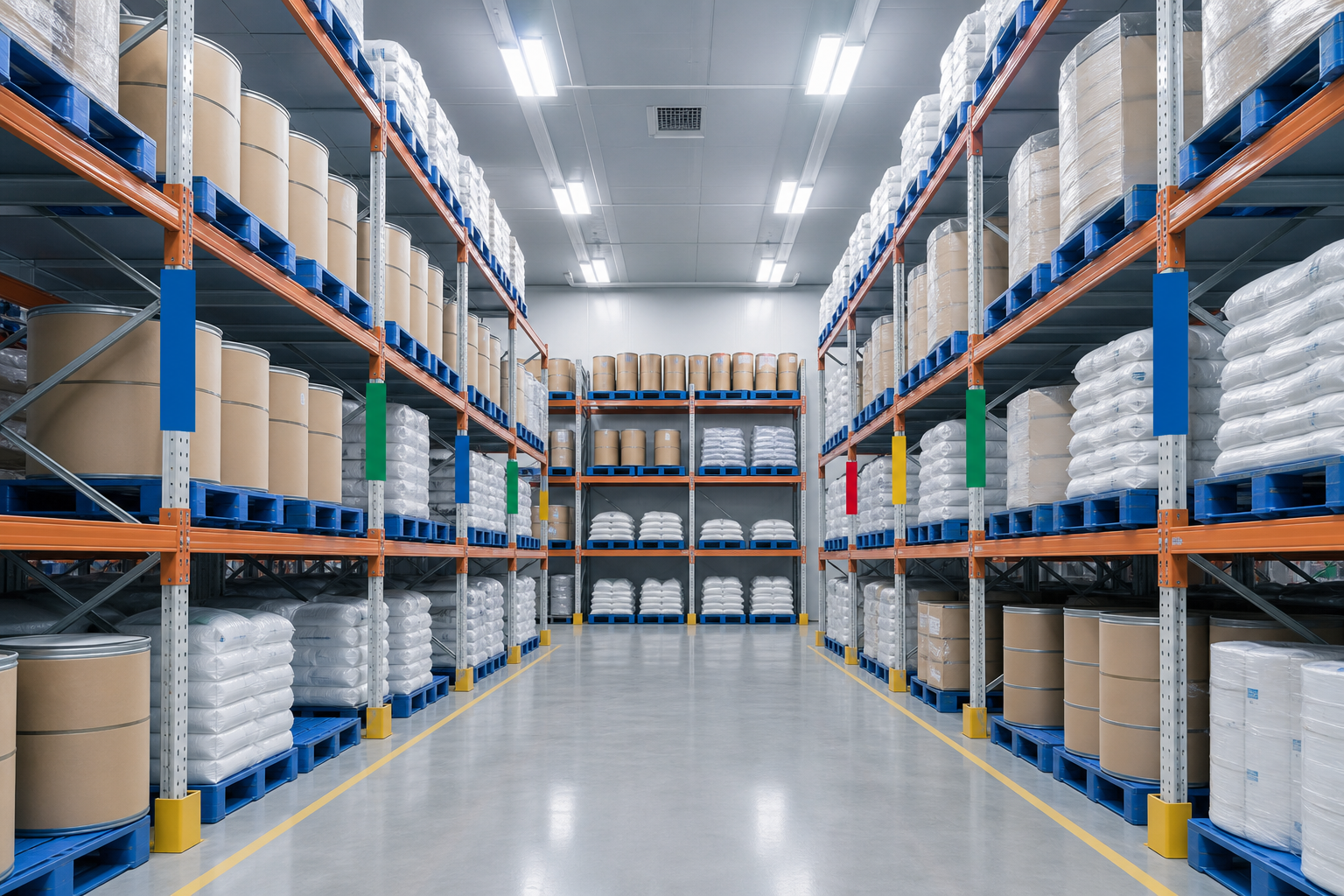
Almacenamiento zonificado compatible con GSP con control de clima, segregación de lotes y flujos de trabajo de cumplimiento dimensionados para pedidos a granel de tambores y bolsas.
DEXIN GLOBAL construye inventario como un servicio estratégico, no solo como una función de almacenamiento. Nuestro centro en Qinhuangdao incluye aproximadamente 1,670 m² de almacenamiento en el lugar, segmentado por zonas (ambiental, refrigerado, aislado de olores y listo para cuarentena) junto con nuestra red de distribución más amplia. Para clientes principales, podemos preconstruir posiciones de stock, asegurar ventanas de suministro y estabilizar el costo de adquisición durante ciclos de precios volátiles.
Para los SKU de alta frecuencia, apoyamos la planificación de stock bloqueado antes del pico estacional y los cambios en el ciclo de políticas. Esto permite a los clientes asegurar un costo de compra estable, reducir el riesgo de reposición de emergencia y mantener la continuidad de la producción ante la fluctuación del mercado.
Reserve existencias con antelación y bloquee las ventanas de compra para hierbas clave.
Reduzca la exposición a la volatilidad estacional o del mercado con inventario de reserva planificado.
Todas las zonas gestionadas con SOP de nivel farmacéutico, inspección y trazabilidad.
Habitaciones con diferente temperatura y humedad para los requisitos de almacenamiento específicos de cada hierba.

Ver matriz de capacidad del almacén
Huella estructurada: área total, almacenamiento de extractos y polvos, almacenamiento en frío y posiciones de cadena de frío.
| métrico | Capacidad |
|---|---|
| Capacidad total del almacén | 2944,63 m2 (nivel TOP3 de Hebei) |
| Almacenamiento de extracto y polvo | 775,8 m2 |
| Área de almacenamiento fresca | 2294,02 m2 |
| Área de almacenamiento en cadena de frío | 19,47 m2 |
CENTRO PORTUARIO
Qinhuangdao es una ciudad portuaria importante en el norte de China. Después de la liberación y el picking/empaque en el lugar, los lotes a granel se trasladan rápidamente al puerto de Qinhuangdao, al corredor de Tianjin o al transporte aéreo de la región capital de Beijing para muestras y líneas urgentes.
Puerto local de exportación — tramos cortos interiores para envíos a granel en contenedores hacia el norte y noreste de China.
Acceso al corredor de Tianjín para reservas de línea principal, agregación interior y documentación de exportación integrada.
Junto a clusters exportadores del sur de China y nuestra oficina comercial en Guangzhou — reserva, consolidación y documentación ágiles con escalas flexibles.
Enlace a líneas principales del delta del Yangtsé y reservas de línea profunda; exportación de contenedores en China Oriental coordinada con el campus del norte.
Muestras, lotes urgentes y SKU de alto valor mediante enlaces aéreos y intermodales de la región capital de Pekín.

MESA DE NEGOCIACIÓN
Operamos como un escritorio de comercio de la cadena de suministro profesional: capital y profundidad de inventario para programas de fijación de precios, experiencia documental L/C, opciones de cuenta abierta para compradores calificados y respuesta rápida en el extranjero de un solo equipo de proyecto.
Ejecución primero, disciplina en la documentación, receptivo: diseñado para programas internacionales B2B repetitivos.
01
Redes nacionales de centros y proveedores auditados: auditorías de proveedores, coincidencia de especificaciones y compras multicanal en un solo movimiento.
02
Documental L/C, facturas comerciales y COA/SDS envases alineados con la recepción en el mercado de destino y la práctica aduanera.
03
T/T, vista/uso L/C, y estructuras de cuenta abierta para programas calificados: la profundidad del inventario respalda el bloqueo de precios y la continuidad.
04
Interfaces de ventas y control de calidad en inglés con rápida respuesta entre semana; los pedidos repetidos permanecen con un solo responsable del proyecto.